Category: blog

  • Bottega Track Pants Value Guide Fit Comfort and Care

    The Bottega Desires Brand Compared to Bottega Veneta: A Look at Design Philosophy

    In 2026, style-conscious buyers looking into streetwear labels keep encountering the same question: what is Bottega Desires, and why does its name read so similarly to a European luxury house? The quick explanation is that Bottega Desires is an independent streetwear brand that has shaped its identity around bold graphics, easy, unstructured shapes, and a price point aimed at regular shoppers rather than upscale shoppers. Bottega Veneta, by contrast, is an Italian leather goods house founded in 1966, known for intrecciato weaving and minimalist design executed at a much higher price tier. The two brands operate in different markets, but their naming similarity has made comparison inevitable, especially as search interest in “bottega veneta desires” and “bottega desires vs bottega veneta” has grown steadily over the past two years. This article breaks down how each brand approaches design, construction, and audience, without pretending they are direct competitors in craftsmanship or pricing.

    Understanding the contrast matters because a lot of shoppers land on a Bottega Desires review anticipating a description of Italian leather goods and instead find hoodies, shorts, and graphic shirts.
    This disconnect isn’t a fault on either side; rather it’s an indication that they serve separate purposes.
    A legacy house grounded in artisanal leatherwork makes up one side of the picture.
    The other is a contemporary clothing label capitalizing on drop-based streetwear culture.
    Cutting down wasted effort and establishing the right expectations before checkout both come from knowing which one you’re really shopping https://bottega-clothing.org/shorts-sweatpants/ for.

    Its Origins and Place in the Market

    Bottega Veneta was established in Vicenza, Italy, and spent decades building a reputation around understated luxury — the brand’s long-time motto, “When your own initials are enough,” reflects a design philosophy that avoids logos and instead lets craftsmanship speak. Its leather goods, particularly the woven intrecciato bags, have carried price tags in the thousands of dollars for years, positioning the house firmly in the luxury goods segment alongside Gucci and Hermès.

    Bottega Desires, in contrast, is a newer label that sells via e-commerce instead of flagship boutiques. Instead of formal luxury dressing, the range favors oversized fits, bold prints, and casual layering pieces built for daily wear. Behind the name, there is no leather atelier, no multi-decade history of fashion-week presentations, and no assertion of craftsmanship rooted in Italy. The brand rather positions itself as an accessible streetwear option, being upfront that it’s a separate entity not a sub-line of the Italian house.

    This distinction defines every step afterward, from how each brand sources materials to the way seasonal drops get marketed. Bottega Veneta operates on the traditional luxury calendar with runway shows in Milan, while Bottega Desires releases new streetwear drops on a rolling basis online, typically more than once a quarter.

    Pared-Back Style set against Print-Driven Streetwear: Unpacking Creative Approach

    A hushed sensibility runs through Bottega Veneta’s design vocabulary. Its seasonal offerings favor sculptural silhouettes, understated tonal ranges, and the near-total absence of outward branding — an approach some refer to as “quiet luxury.” The leather-weaving technique on its own serves as the defining mark, which means craftsmanship itself becomes the logo. This way of working demands expert artisans, drawn-out tanning processes, and a production timeline that luxury buyers accept as woven into what makes it worth the price.

    In a contrasting move, Bottega Desires garments take an inverse strategy. Street-style labels that prioritize instant recognizability over restraint set the design language that bold graphics, lettering, and vivid color blocking dominate in the hoodie and tee collections. Typically, a Bottega Desires hoodie includes printed graphics on the front or back alongside dropped shoulders and heavyweight cotton fleece, features common across the streetwear category as opposed to original breakthroughs. The shorts and jorts collections operate on the same principle: loose-fitting silhouettes, distressed denim finishes on the jorts, and pull-cord waistbands on the shorts, designed for relaxed wearability rather than tailored precision.

    Bottega Veneta, for its part, invests years refining a particular weave pattern, while Bottega Desires takes just weeks to produce a new graphic concept for the coming drop. There’s no wrong way between the two — they’re just built for different consumer expectations, the former anchored in lasting tradition, the other centered on speed and cultural relevance.

    Build & Fabrics

    Luxury leather goods from Bottega Veneta typically use full-grain calfskin, nappa leather, and in some cases exotic skins, all sourced through vetted Italian tanneries. Construction happens largely by hand, with the intrecciato weave alone taking hours per bag panel. This labor-intensive process is a major reason why Bottega Veneta bags often retail in the $2,000 to $6,000 range, depending on the style and material.

    Bottega Desires clothing uses more conventional streetwear materials: cotton fleece for hoodies, cotton-poly blends for shirts, and denim for the jorts line. Construction is factory-based rather than hand-finished, which keeps unit costs down and allows the brand to price items well below luxury thresholds — most pieces in the Bottega Desires clothes catalog sit in the double-digit dollar range rather than four figures. This is a completely different manufacturing model, and shoppers should not expect the hand-finishing or leather tanning process associated with the Italian house.

    That said, among its peers, Bottega Desires has built a reputation for steady stitching craftsmanship and pre-shrunk fabric on its shirt line, based on repeated customer feedback across review platforms. It’s not competing on leather craftsmanship — it’s making its case through cotton quality and print longevity, which is a fair comparison only within the streetwear category.

    Bottega Desires vs Bottega Veneta: Point-by-Point Breakdown

    Grouping heading Bottega Veneta Bottega Desires
    Launched 1966, Vicenza, Italy The contemporary streetwear label
    Key Product Lines Crafted-leather bags, footwear, accessories Hoodies, tops, shorts, denim shorts
    Creative Approach Understated, logo-free, intrecciato-style weaving expertise Bold graphics paired with relaxed street-inspired silhouettes
    Materials Calf leather, soft nappa hide, rare exotic leathers Cotton fleece, cotton-poly blends, denim
    Manufacturing Hand-finished in Italy Mass-manufactured casualwear output
    Typical Price Range $2,000–$6,000+ Affordable-to-moderate price positioning
    Launch Strategy Seasonal runway collections Ongoing digital release drops

    Which Style Suits Whom

    Bottega Veneta stands as the benchmark for anyone looking for an investment leather piece with a long legacy of brand heritage backing it — its bags retain their resale worth, and its design vocabulary has influenced luxury accessories as a category overall. Buyers in this category are typically shopping for a long-term wardrobe anchor, not a seasonal trend piece.

    If you happen to be shopping for printed hoodies, everyday shirts, or denim jorts to keep in everyday circulation, Bottega Desires meets an entirely separate purpose. The brand’s shorts and jorts are made to be layered into hot-weather streetwear fits, and its shirts serve effectively as a base layer worn under jackets when the weather turns cool. Shoppers reading a Bottega Desires review before buying should judge the brand on its own streetwear merits — fit, print quality, fabric weight — rather than measuring it against Italian leather craftsmanship, because that comparison was never the brand’s intention.

    That shared-name coincidence will in all likelihood keep producing search traffic in 2026, as more shoppers key in “bottega desires vs bottega veneta” while working to figure out which brand suits their budget and style goals. Once it’s clear one is a luxury leather house and the other a streetwear label, the choice becomes simple: select by category instead of by naming coincidence.

    To Sum It Up: Your Core Takeaway

    Bottega Desires and Bottega Veneta carve out separate niches in the fashion industry, and weighing them side by side just on construction quality fails to tell the full story. Decades of Italian leatherwork built one’s identity, while approachable street releases grew the other’s following. Knowing what is Bottega Desires — a graphic-forward clothing brand rather than a high-end leather goods maison — allows buyers to form sensible expectations before they place a hoodie, shirt, or pair of jorts in their online cart.
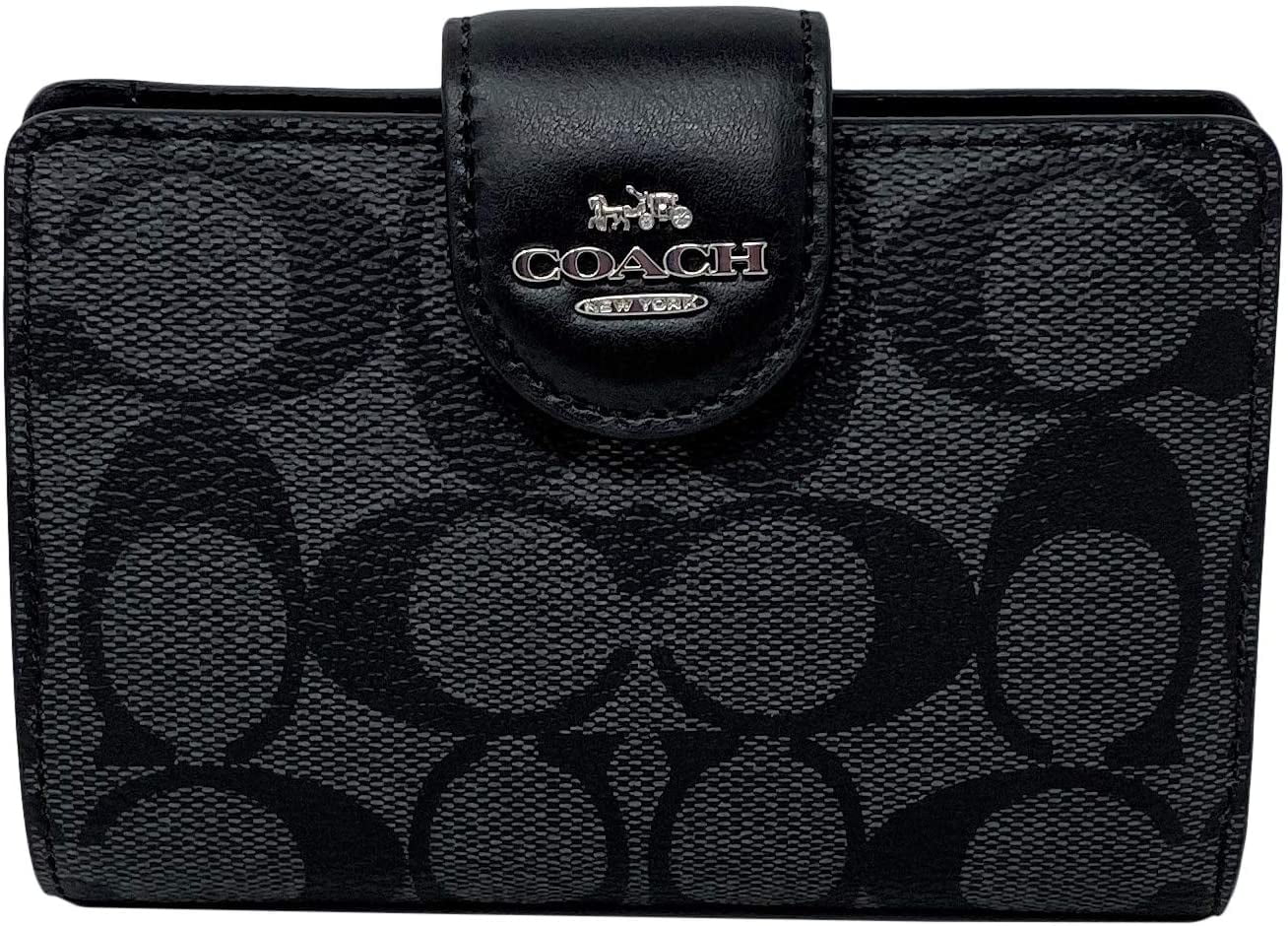
  • Everything About Coach Handbags Everyday Wear Notes

    Coach Tote Bags: Which One Fits Your Day

    What earns a coach tote bag its place is how it copes with the day you actually have, instead of the day in the product photo. Some days you have to carry a laptop, a charger and lunch; on other days, just a phone, keys and a card case will do. For each common routine described below, this guide names the Coach styles worth a look. Only details that could be confirmed are included, and the guide points out where launch years or current prices were not found. The prices quoted here are observed market prices from 2026, not an official Coach price list, and they change with colour, material and promotions. Coach sits in the accessible luxury tier, which a US federal court recognised in 2024 as a handbag market distinct from both mass-market and true luxury. That context is useful when you compare a full-price coach bag against an outlet deal or a restored pre-owned piece.

    At-a-Glance Match: How You Live and a Tote to Check

    Empty your current bag before you look at styles and sort the items you carry daily from what you carry only sometimes. The case for pockets or a zip comes down to the occasional pile, but the daily pile sets the minimum size. A tote hauled through a crowded station works harder than one resting on a car seat, so consider how you travel too. Many Coach bag names include numbers, such as the Willow Tote 24 or the Empire Carryall Bag 34, so go by the listed dimensions rather than reading size from the name. Leather adds weight before anything goes inside, which matters if you walk a lot. Below, a table links common routines with styles to check, and the sections that come next explain each match.

    Your routine Coach style to check What to confirm first Note on observed price
    Office with a laptop Empire Carryall Bag 34 Laptop fit against the coach fashion listed dimensions £475 observed on Coach’s UK website
    Laptop carried on the shoulder Brooklyn Shoulder Bag 39 It is a slouchy shoulder bag, not a tote Not captured at this size
    Weekend jobs and errands Willow Tote 24 Current availability and price Unconfirmed for 2026
    Trips and travel Brooklyn Carryall Details of the closure and straps Not captured
    A tight budget Outlet totes such as the Smith Tote Whether the seller is Coach’s official outlet Advertised outlet deals from $35
    Buying pre-owned Coach (Re)Loved restored bags Condition notes on each listing Depends on the piece

    Desk Days and Laptops

    Work days test a tote hardest, because a laptop sets a firm minimum width and a document folder exposes a floppy base. The clear structured candidate is the Empire Carryall Bag 34, an elongated east-west carryall with top handles. Following a showing of the Empire on its Fall 2024 runway, Coach released the Empire Carryall in February 2025, when reports said it sold out on the day of release. The figure can vary with materials and colours, but on Coach’s UK website it has been observed at £475. This guide found no confirmed laptop sizing for it, so measure your machine against the listed dimensions before you buy. Confirm you are looking at the right product page, since soft Empire styles are listed as separate bags. The Brooklyn Shoulder Bag 39 has been reported to fit a 15-inch laptop, a plus if you would rather carry your laptop on the shoulder.

    Weekend Errands and Casual Days

    Weekend errands need a lighter, easier tote that holds a water bottle, sunglasses and a small shopping haul. Look first at the Willow family, given that Coach has listed it in pebble leather as a tote, a bucket bag and a shoulder bag. Coach’s website has also featured a Willow Tote 24 and a custom Willow Tote page, which hints that personalised versions have been offered. The Willow line’s launch date could not be confirmed in this guide, and the same goes for its price in 2026, so look at the live listing before building plans around it. When the bag sits open on a café chair or in a shopping cart, an inner pocket or a zip helps. For a relaxed outfit to match, Coach’s Fall 2026 show included laceless Skate Sneakers in suede and canvas.

    The Travel Day

    Travel days reward a tote that closes securely, fits under a seat and holds a passport, headphones and a spare layer. First released in August 2024 as a slouchy natural-grain leather shoulder bag, the Brooklyn line has appeared in sizes 28 and 39. Do not mix up the Brooklyn Shoulder Bag with the new Brooklyn Carryall shape reported for Spring 2026, which is a different bag. Check the current listing carefully before relying on the Carryall for a flight, since its closure and strap details were not confirmed here. Hoping to shop while visiting Great Britain? Remember that tourist tax-free shopping ended there on 1 January 2021. You cannot claim a VAT refund when you fly home, as the price on a UK store tag already includes VAT.

    The Budget Day: Outlet, Sale and Pre-Owned

    Coach runs three official routes that cost less, so an everyday tote does not have to be a full-price purchase. Route one is Coach Outlet, Coach’s own channel, which runs physical outlet stores and an official online outlet on Coach’s own website. Outlet promotions have included tote styles such as the Smith Tote, with deals advertised from $35 and up to 70% off. Treat those as advertised figures, not guaranteed discounts, since they come and go without a fixed calendar. The second route is a coach bags sale on the full-price website, where markdowns rotate through selected styles. Started by Coach in 2021, the resale, repair and upcycling programme Coach (Re)Loved is the third option and stocks restored bags. Considering a (Re)Loved trade-in later? Note that outlet items have been reported as ineligible.

    Deciding On a Material

    Material shapes how a tote feels on day one and how it holds up after a year of commuting. Credited to Miles Cahn from Coach’s early decades, glovetanned leather is a finish based on the way a worn baseball glove softens. Anyone who likes a bag that relaxes over time will get on well with it, since Coach says this leather is made to soften with use. Used across the Willow family, pebble leather has a grained surface and not a smooth one. The Signature “C” canvas dates only to 2001, which makes it a modern logo pattern rather than mid-century heritage. For shoppers who care about recycled content, note that Coachtopia, the circular-design sub-brand launched on 20 April 2023, started out with bags reported to use at least 50% recycled leather fibres.

    A Little Tote History

    Coach’s story did not begin with totes, or even with handbags. The business began as a small Manhattan leather workshop, founded in 1941, that made men’s small leather goods such as wallets. Coach’s first lead designer, Bonnie Cashin, designed for the brand from the early 1960s until 1974. She is credited with styles including a shopping-bag tote, along with side pockets and brighter colours. The brass turnlock closure that still appears on Coach bags was introduced by her in 1964. Knowing that history helps you spot when a modern design borrows from the archive and when it is entirely new.

    A Brief Checklist Before You Buy

    Most tote regrets can be prevented with a few quick checks. Check the items you carry most with the listed dimensions rather than the number in the style name, once you have measured them. Confirm whether the tote closes, because an open top is easy to live with at a desk and harder on a busy train. Shop only at Coach stores, Coach Outlet stores, Coach’s own website or authorised retailers, given that Coach says it does not authenticate bags or check serial numbers for customers. Be suspicious of any site offering coach handbags at 90% off everything, as blanket discounts that steep fit the fake-outlet pattern. Until you have carried the bag through a normal week, save your receipt and packaging as a final step.

    • Room to spare for a laptop or folder
    • Handles or straps sit comfortably when the bag is full
    • Closure fits your commute
    • Current listing used to check the price
    • An official Coach channel confirmed as the seller
  • Everything About Coach Bag Styles Value and Longevity

    Coach Bag Sale: The Real Guide to Coach Discounts

    Looking for coach bag sale online instantly throws up a disorienting assortment of reductions, outlet offers, coupon codes and dubious bargains. On closer inspection, matters are better organised than they seem, since genuine Coach markdowns arrive through a modest number of official and authorised channels. Drawing on prices and promotions noted in 2025 and 2026, this guide explains these channels in sequence. The figures in this guide do not form an official price list, and nothing in them can guarantee that a future sale will match. As no sale calendar from Coach itself could be confirmed, the sensible approach is to chart patterns rather than dates. A US federal court treated accessible luxury, the tier Coach belongs to, as different from both mass-market and true luxury handbags. Take the steps in order and you will understand what a fair price looks like before you pay.

    Step 1: Check Through Which Route You Are Buying Prior to Judging Any Discount

    Genuine Coach discounts become available through one of three routes, while each route approaches pricing on its own terms. The first is the full-price business, that is, any full-price coach store and Coach’s own website, where certain styles are discounted periodically. Rather than acting as a third-party discounter or a grey-market reseller, Coach Outlet, the second route, is an official channel operated by Coach itself. Coach Outlet runs physical outlet stores and an official online outlet section on Coach’s own website, which Coach reportedly describes as the only place online to buy authentic Coach Outlet styles. Department stores stocking Coach make up the third route, among them Nordstrom, Macy’s and Dillard’s in the United States, or John Lewis, Selfridges and Harrods in Britain. A coach bag bought through an official or authorised route is authentic, but the discount in each one carries a different meaning. If you know the route, you can see which comparison is reasonable and which is deceptive.

    Step 2: Read Full-Price Reductions for What They Really coach Are

    Instead of a sweeping discount, full-price sale activity typically means markdowns on certain styles, colours or sizes. Items that were marked down in 2026 were seen carrying markdowns of around 30 to 40 percent. One illustration was a Brooklyn Shoulder Bag 39 observed at $495 and shown in a sale variant at $297. In Britain, a Tabby Shoulder Bag 26 listed at £475 was found on sale from £332. Those are snapshots of individual listings, not a rule that every Tabby or Brooklyn will drop by the same amount. Coach’s parent company, Tapestry, has also noted that Coach ran with reduced promotional activity and posted a higher average handbag price during fiscal 2026. For that reason anyone shopping should not assume that a current bestseller will show up in a coach bags sale at all.

    Step 3: Accept That Outlet Savings Are Advertised Figures

    The coach outlet channel uses rotating promotions in place of one big seasonal event. Deal pages by category have been spotted, among them a section of deals under $150, as well as extra-percentage-off events and clearance edits. Regard all deals from $35 and promotions of up to 70% off featured in outlet advertising as advertised figures, not guaranteed savings on any specific bag. In one observed case, a Smith Mini Tote appeared at $89 against a $350 reference price. Such reference prices deserve caution: no Coach explanation was found confirming that made-for-outlet items were ever sold at the higher figure. This is why a percentage shown at the outlet should not be compared directly with a percentage seen on a full-price markdown. Reports also suggest that some outlet styles are online exclusives, so a bag that is not stocked in an outlet store might still exist on the official online outlet.

    Step 4: Understand What Outlet Stock Actually Is

    Neither of the two misbeliefs that persist that colour outlet shopping stands up to scrutiny. In reality, Coach is the operator of the outlet stores and labels them Coach Outlet in its own store locator, which disproves the first myth, the claim that the outlet is fake. Going by the second myth, the outlet stocks only leftover boutique stock, but that conflicts with what Coach itself has said. In 2014, Coach’s head of investor relations was quoted as saying that around 85% of outlet stock was made for the outlet channel. The present-day share remains unknown, given that the figure is now more than a decade old and nothing current has been found in Tapestry’s disclosures to update it. Tapestry has reportedly outlined a “One Coach” strategy that moves some full-price collection product into outlets next to earlier-season styles. Claims that made-for-outlet bags are always inferior, or always identical, reach beyond what any public Coach comparison supports.

    Step 5: Sign Up for Coach Insider Well Before the Next Sale

    Since it covers both Coach and Coach Outlet, Coach Insider, a free loyalty club, applies to either kind of discount. Tiers have been reported to rise from Insider through Silver and Gold to Diamond. Reports indicate members are given early access to some sales and new drops. On the outlet side, a members’ page has shown a private sale giving an extra 15% off. Do not treat that as a constant discount that will always be available; it was just one observed event. Coupon-site reports also indicate that extra-percentage codes usually do not cover clearance and final-sale items. The sensible step is to join well before you plan to buy and from then on monitor member emails, given that signing up costs nothing.

    Step 6: Skip Sale Calendars and Too-Good-To-Be-True Sites

    Among coupon sites, you will often find neat calendars that promise Coach sales at the end of each season and on particular holidays. None of those calendars could be confirmed, so do not plan a purchase around a date or a fixed discount depth. Much riskier is the fake outlet website pushed through social media advertising. All these sites typically advertise a closing-down event or a today-only clearance and show 70 to 90 percent off the entire range. Using copied Coach photos, logos and brand history, they take payment and dispatch a counterfeit or nothing at all. The brand’s own retail and outlet stores, its own websites and authorised department and specialty stores are the only channels for authentic goods, as Coach states. Close the page if a website matches none of those and a $300 bag suddenly is priced at around $20.

    Step 7: Compare Prices Side by Side

    The offer should be held up against the normal pattern for its channel before any money changes hands. Covering what has been observed in 2025 and 2026, the table below shows usual patterns, not a forecast. A full-price markdown as well as an outlet promotion can offer good value, but they are calculated from different starting prices. A department store sale is shaped by that retailer’s own pricing decisions, which can differ from Coach’s. Compare the final price, including delivery and returns, instead of the headline percentage if the same bag appears in more than one place. An impressive figure attached to a reference price nobody may have paid loses its pull once you have that habit. It also keeps the comparison fair if two listings differ in size or material.

    Channel What gets discounted Pattern observed Pitfalls
    Coach full-price stores and website Particular styles, colours and sizes Markdowns of roughly 30 to 40 percent seen Newest styles may never be reduced
    Coach Outlet stores and official online outlet Made-for-outlet styles, earlier-season styles, some collection product Advertised offers from $35 and discounts of up to 70% off Reference prices are not directly comparable with full-price tags
    Private sales for Coach Insider shoppers Member-only sales Extra 15% off, noted once at the outlet Clearance and final-sale items left out
    Department stores The retailer’s own Coach stock Differs from retailer to retailer Confirm the store is an authorised seller

    Step 8: Confirm the Return Terms, Final Sale Conditions and Trade-In Rules

    A bargain price loses its appeal fast if the item cannot be sent back. The return rules may differ for sale and clearance pieces, so it pays to read the conditions on the product page before checking out. Because Coach says it does not authenticate merchandise, your real protection is buying from Coach or an authorised seller. Should you later want to trade the bag in, it is worth knowing now what happens. Coach (Re)Loved runs a trade-in scheme in North America retail stores along with selected UK and Japan stores. Outlet items and canvas pieces are reportedly left out, whereas gently worn all-leather retail bags are accepted. A marked-down full-price leather bag could be the better choice than a deeper outlet deal when trade-in value matters.

    1. Confirm which channel you are buying from before judging the percentage.
    2. Check whether the price is a markdown or an outlet reference.
    3. Register as a Coach Insider member early on.
    4. Ignore calendars and implausible websites.
    5. Read return and trade-in terms before paying.
  • Mike Amiri Bandana Sneaker Verified Seller

    Buying AMIRI Online Without Coming Away Stung

    AMIRI, a Los Angeles house, has everyday pieces noted roughly between $420 and $1,300 in market listings, and that is exactly the band counterfeit sellers work hardest to imitate. Sales run directly through the brand’s own website and through a published list of authorised stockists; nearly anything outside those two groups deserves a second look. Queries such as buy amiri online, amiri clothing, amiri hoodie and amiri men land shoppers on a results page where department stores, marketplace resellers and outright fakes sit within a few positions of one another. What follows works through the channels one by one and sets out plainly what each of them actually is. Each figure quoted here comes from observed market pricing gathered in 2026 and is not an official price list. The single most useful habit is to test any unfamiliar seller against the brand’s own published stockists page before entering a card number.

    The Brand’s Own Website

    The house runs a single official e-commerce operation, and it is the only online shop the brand itself controls. More than two hundred countries and regions are served, with the full current assortment across men’s, women’s and kids’. The returns window is ten days from delivery for unworn merchandise with tags attached, and final-sale items are excluded. Repairs and after-sales service are dealt with case by case, limited to products bought from that site, and fees can apply. Roughly thirty-three physical boutiques are run by the same operation, several still listed as coming soon on the store locator. The first permanent store opened in 2020 on Rodeo Drive in Beverly Hills; Milan came next as the first permanent European location.

    Authorised Multi-Brand Retailers

    A stockists page is published by the brand, and every retailer named there holds a direct wholesale relationship with the house. Across the United States the list mixes department stores with specialist boutiques; in Europe it runs to dozens of accounts, with Italy carrying the longest single-country roster. The list is worth having not https://amirri.net/ for cheaper prices, which at full price it does not deliver, but because the goods it points to are unambiguously genuine. A single caveat carries real weight here, because that stockists page is left to drift. It still names a well-known British retailer that shut down in 2024, and it carries several obvious misspellings of shop names, which tells you it is treated as marketing rather than as a live directory. It works as a whitelist of names worth recognising; it is no proof that any particular shop is still trading.

    • Named on the brand’s own online list: Mr Porter, SSENSE, Mytheresa, LuisaViaRoma, Browns, END., 24S, Monnier
    • United States: Nordstrom, Saks Fifth Avenue, Neiman Marcus, Bergdorf Goodman, Maxfield, The Webster
    • Further afield: Selfridges, Harrods, Harvey Nichols, Holt Renfrew, Galeries Lafayette

    Where Farfetch Fits

    Farfetch is the channel that confuses people most, and the honest answer is that it belongs in neither obvious box. The brand’s own online stockist list does not name it, so calling it an official stockist overstates the relationship. It is also not an unauthorised seller, because it operates as a marketplace for boutiques that are themselves named stockists, several of them Italian. In practice the garment often ships from a shop with a genuine wholesale account even though the storefront itself has no listing. That nuance is worth holding on to, since most guidance flattens it in one direction or the other. Buying there means one extra step: identify the fulfilling boutique, then match that name against the stockists page.

    Off-Price and Sale Channels

    Any piece suggesting this brand never discounts is demonstrably untrue, and that discounting shapes everything else in the market. Authorised multi-brand retailers mark AMIRI down visibly in season, with observed reductions in the region of forty to seventy percent on jeans, hoodies and outerwear. A jean listed at $1,345 has been seen at $673, and a varsity jacket listed at $2,310 has been seen at $1,155. The off-price arms of established retail groups, including Saks OFF 5TH, carry the label too and sell past-season stock at heavy reductions. Those goods are legitimate, and the seller is a real retailer working through surplus rather than a shadow operation. Emphatically, none of that amounts to a brand outlet, and the whole of the next section turns on the distinction.

    The Outlet No One Has Ever Run

    Nothing in this article matters more, and it comes from the brand itself in a court filing, not from a blog. A federal court complaint filed in July 2021 has AMIRI stating that it “does not have an AMIRI outlet store, nor has it ever authorized any person or business to operate such a store.” The action ran in the United States District Court for the Central District of California against an internet service provider which, the brand alleged, knowingly hosted a counterfeit-selling site styling itself as an AMIRI outlet. The site called itself an “Official Discount Store”, advertised “100% Original Products”, and claimed to stock more than a hundred authentic pieces at heavy discounts. In September 2021 the case was voluntarily dismissed, most likely on settlement, yet the brand’s statement is unaffected. There is therefore no official outlet, online or physical, anywhere. A storefront presenting itself as an AMIRI outlet is by definition not the brand, and that one test rules it out before anything else is examined.

    How a Fake Outlet Site Betrays Itself

    A single template links these storefronts, and once the pattern registers it is hard to unsee. The tells below are drawn from the documented 2021 case and from the general shape of such operations, and they are sketched rather than listed, because naming a domain sends traffic to it. On its own no single item proves anything; three or four at once are decisive. Absence from the brand’s published stockists page remains the strongest test, and it costs about fifteen seconds to check. The second strongest is the discount pattern, because no authorised channel cuts current-season stock across every category at once. Give the checkout page the same attention as the product page, because payment handling is where these operations most often slip up.

    1. A domain assembled from the brand name plus a trust word such as outlet, official, shop, store or sale
    2. Status the shop claims on its own: “Official Site”, “Official Discount Store”, “100% Original Products”, “Authentic Guaranteed”
    3. Reductions of fifty to eighty percent applied everywhere, sweeping in current-season pieces
    4. An improbably deep catalogue shown through scraped official campaign photography
    5. Absence from the stockists page, with no checkable detail in the way of company registration, address or telephone number
    6. Countdown clocks, “only two left” mechanics, plus a payment processor bearing a name that does not match the shop

    The Channels Compared

    The table sets the channels side by side on the two questions that matter: whether the goods are certainly genuine, and what you can expect to pay against full price. The pricing column describes observed behaviour in 2026 and is not an official price list. The authentication risk column judges the channel, not any individual seller within it. Only goods bought directly from the brand or from an authorised stockist partner will be verified, and the brand states plainly that it cannot authenticate items bought outside those channels. Because of that policy, provenance rather than micro-inspection of stitching is the thing worth optimising for. The final row should be read as an absolute rather than a caution.

    Channel What it is Observed pricing Risk to authenticity
    The house’s own shopfront Official in the fullest sense Full price throughout Zero
    Authorised stockists named on the list Official wholesale Full price, followed by the seasonal sale As low as it gets short of none
    Farfetch Marketplace whose boutiques are named on the list Full price as well as sale Low, though the fulfilling boutique is worth checking
    The off-price arms run by retail groups Genuine past-season goods Reduced 40 to 70 percent Low overall
    The resale platforms Seller to buyer, directly Below retail more often than not Genuine risk, varying by platform
    Any self-declared outlet Nonexistent Of no consequence Complete

    A Short Routine Before You Check Out

    None of this needs to be complicated, and the whole check takes less time than choosing a size. First ask whether the shop’s name appears on the brand’s published stockists page; a marketplace introduces one further question about who is fulfilling the order. Turn then to the discount, since current-season amiri jeans at seventy percent off from an unfamiliar storefront reads as a signal rather than a bargain. Check that the stated country of origin is plausible for the style, since origin varies by product and a mismatch is one of the more reliable red flags. Save the order confirmation and the invoice, because the brand’s verification policy runs on proof of purchase. And if a site calls itself an outlet, close the tab.

  • Bottega T-Shirt Owner Review Craft and Heritage

    Understanding the Bottega Desires Look: What Makes It Different

    Public interest in Bottega Desires has kept climbing as consumers try to figure out exactly what the label is and how it slots into the larger luxury-meets-streetwear conversation. The naming itself causes mix-ups, since it brings to mind Bottega Veneta, the Italian leather house recognized for intrecciato weaving and low-key luxury pricing. But Bottega Desires is a separate entity, shaped by a distinct visual language that draws codes from both pared-down Italian fashion and contemporary streetwear. Understanding what makes this aesthetic distinct requires looking past the name overlap and into the actual construction choices, silhouette decisions, and branding philosophy that characterize the pieces sold under this label in 2026.

    This article goes through the aesthetic one component at a time: the shorts, the shirts, the hoodies, the jorts, and the broader design logic that ties the catalogue together. We’ll also dig into the comparison question that keeps coming up — bottega desires vs bottega veneta — with a comparison table so the differences are easy to scan rather than hidden in paragraphs.

    Bottega Desires: What Is It, Really?

    With an emphasis on relaxed, roomy silhouettes paired with subdued earth-toned colorways, Bottega Desires presents itself as a streetwear label. Its identity rests on pared-down branding: small logo placements, tonal stitching, and a overall avoidance of loud graphics. That’s a deliberate design choice rather than an accident, and it’s the primary reason people connect the name with quiet luxury rather than conventional hype streetwear.

    The lineup typically includes hoodies, shirts, shorts, and jorts, with occasional outerwear drops based on the season. Each category follows a comparable design thread: comfort-driven fabrics, oversized cuts, and a color palette that bottega desires mens tee moves between sand, olive, charcoal, and off-white rather than bold primary colors. If you’re asking what is Bottega Desires in a single sentence, the answer is a streetwear brand founded on restraint — fewer prints, heavier fabrics, and a focus on how pieces drape rather than how loudly they make a statement.

    Shorts and Jorts: The Starting Point of the Silhouette Story

    Bottega Desires’ shorts line are where the brand’s silhouette philosophy is most visible. Instead of following slim-fit trends, the shorts sit with a loose drop-crotch or straight-leg cut that hits at or slightly above the knee, varying with the specific style released that season. This silhouette decision is significant because it indicates the label’s target customer: someone who wants a streetwear-adjacent look without the closeness linked to athletic shorts or the pronounced bagginess of skate brands.

    The jorts follow a similar reasoning but swap blended or man-made material for a weightier denim heft, lending them extra body and a more durable expected lifespan with ongoing wear. Minimal distressing is standard on Bottega Desires jorts — a difference from brands that lean into exaggerated wear effects — which makes them looking more polished and less costume-like. Small stitch-level touches, such as contrast top-stitching or subtle matching-tone embroidery near the pocket, are frequent design accents that separate these from standard denim shorts you’d find at a mass retailer.

    Across both categories, the waistband design prioritizes comfort: stretch or drawstring-adjustable waists show up often, even on the denim jorts, which is a slightly unusual choice for that material and something to keep in mind if you’re used to stiff denim waistbands.

    Shirts and Hoodies: The Foundation of the Look

    The Bottega Desires shirt lineup covers both woven button-ups and heavier jersey tees, but the unifying trait is an oversized fit through the shoulder line and torso with a slightly cropped or standard-length hem depending on the cut. Fabric weight tends to sit on the heavier side — think mid-weight cotton rather than thin, see-through jersey — which lends the shirts more structure when worn loose. Color-blocking is rare in this line. Instead, most shirts depend on a single dominant tone with contrast only at the collar, cuffs, or a small chest logo.

    The Bottega Desires hoodie is arguably the brand’s most recognizable product category, and it follows a reliable yet effective formula: dropped shoulder seams, a kangaroo pocket, ribbed cuffs and hem, and a hood sized generously enough to layer over a cap. Fleece weight varies by release, with thicker fleece usually kept for cooler-weather drops and lighter-weight loopback cotton reserved for transitional seasons. What separates these hoodies from generic oversized streetwear is the finishing — flatlock seams, reinforced pocket bags, and drawstrings that coordinate with the piece’s main color rather than defaulting to plain white cord.

    Combined, the shirts and hoodies contribute most to building brand recognition, since they’re worn more often than other pieces and photographed most often in customer reviews and unboxing content.

    Bottega Desires vs Bottega Veneta: Why Shoppers Confuse the Two

    The name overlap between Bottega Desires and Bottega Veneta stands as the most common source of confusion, and it’s worth addressing directly rather than dancing around it. Bottega Veneta is a premium Italian fashion maison, founded in 1966, recognized for leather goods, the intrecciato weave technique, and price points that place it firmly in the premium price category. Bottega Desires operates in a completely different category: streetwear-influenced apparel at a much lower price level, with no leather goods focus and no connection to the Italian house’s ateliers, ownership, or design team.

    Rather than a deliberate copy of Bottega Veneta’s lineup, the naming likeness seems accidental, since the garments themselves — hoodies, shirts, shorts, jorts — don’t intersect with Bottega Veneta’s bags, shoes, and leather accessory categories. Still, shoppers searching “bottega veneta desires” are often attempting to determine if there’s a sanctioned tie-in or sub-line, and as of 2026 there is no confirmed partnership between the two names. Shoppers hoping to purchase genuine Bottega Veneta leather items shouldn’t expect the same from Bottega Desires, and the reverse holds true too — someone looking for oversized streetwear hoodies won’t find that in the Veneta catalogue.

    Attribute Craving Bottega Bottega Veneta
    Product focus Casual streetwear pieces: hoodies, shirts, shorts, jorts Leather goods, footwear, high-end accessories
    Founded Newly established streetwear brand 1966
    Price tier Moderately priced streetwear High-luxury pricing
    Hallmark style Loose, roomy cuts, understated color schemes Woven Intrecciato leather
    Branding approach Understated logo use Discreet, unbranded “quiet luxury” styling

    What a Bottega Desires Review Actually Tells You

    Recurring themes—fabric weight, fit accuracy, and stitching consistency— surface repeatedly within any Bottega Desires review of real substance. Customers regularly mention the hoodie’s fleece density remaining sturdy after multiple washes, provided care instructions around water temperature and drying are followed. Fit is another recurring topic — since the brand runs oversized by design, first-time buyers often choose a smaller size if they want a snugger fit rather than the intended drop-shoulder look.

    Common critique points in reviews include occasional inconsistency between drops, where one season’s shorts might run slightly larger or smaller than a previous release, which is expected in smaller-batch streetwear production rather than evidence of poor quality control. Shipping times and customer service responsiveness also show up in reviews, as they do for the majority of online-first apparel brands operating primarily online. Looking at a range of reviews rather than a lone account paints a truer picture, since fit and fabric feel are tied to individual perception and tied to individual body types and expectations.

    How the Design Language Carries Through Across the Whole Clothing Line

    The aesthetic feels unified rather than scattered once Bottega Desires clothing are examined as a entire collection, not standalone categories. Each item — spanning the jorts to the hoodie to the button-up shirts — reflects the same muted color approach and relaxed cut, so that pieces mix and match effortlessly within a single outfit. This is intentional: streetwear labels that build a distinct aesthetic identity often design collections meant to be worn together, not just as standalone hype pieces.

    The absence of loud graphics or oversized logos also means the clothing ages well stylistically, sidestepping the stale appearance that brand-saturated streetwear from a specific year can acquire. For shoppers in 2026 weighing whether this aesthetic suits them, the clearest indicator is whether you gravitate toward understated colors, relaxed fits, and texture-driven design over bold graphics and tight silhouettes. Should that fit your existing style, Bottega Desires fits in naturally rather than requiring a complete style overhaul.

  • What Makes Bottega Zip Hoodie Iconic Fit Comfort and Care

    A Shopper’s Guide: Does Bottega Desires Worth a Spot in Your Closet?

    Time and again, shoppers searching for a new streetwear staple: what exactly is Bottega Desires, and should it earn a spot in a 2026 wardrobe rotation? The name sounds close to a certain Italian luxury house, which is precisely the reason so many people pause before checking out. What follows breaks down what the brand actually offers, how the pieces hold up day to day, and where the real value lies once you weigh cost versus build quality. Skip the hype and the guesswork — just a practical look at whether the hoodie, shorts, jorts, and shirt lineup stand up under a closer look.

    For shoppers chasing a bold, branding-heavy look without chasing resale markups on vintage luxury finds, Bottega Desires has built a following. The brand embraces striking graphics, heavy fabric weights, and a loose-fitting shape rather than a tailored cut. That positioning matters because it tells you upfront who the collection is for: those chasing a standout look, not a understated everyday wardrobe.

    Bottega Desires: What Exactly Is It?

    Bottega Desires operates as a streetwear label making casualwear — hoodies, shirts, shorts, and jorts — centered on graphic-driven designs and drop-style releases. It is entirely separate from Bottega Veneta, the Italian fashion house recognized for leather goods and intrecciato weaving. This naming overlap causes confusion, so it deserves a clear callout: these are two distinct companies with their own production methods, pricing, and design approaches.

    Seasonally, the brand’s catalog rotates, and in-demand color options see only scarce restocks. Buyers bottega desires hoodie who want a particular hoodie colorway or jort finish often need to move quickly, since stock moves off shelves quickly. This scarcity model is a familiar streetwear tactic, and it does create real demand instead of artificial buzz — pieces from earlier drops routinely sell out across sizing before a restock lands.

    Fabric weights on the hoodies typically run heavier than mass-market basics, which is responsible for the structured, boxy shape the brand is known for. Shirts lean toward a dropped-shoulder, straight-body cut, while shorts and jorts sit at a longer inseam that pairs well with chunky sneakers. If you’ve seen the aesthetic on social feeds, you already know the silhouette — wide, layered, and unapologetically graphic.

    Reviewing Bottega Desires: Fit and Fabric

    A balanced review of Bottega Desires has to start with fabric. The hoodies use a cotton-heavy fleece blend that retains its form after repeated washing, which matters more than it sounds — budget streetwear pieces often pill or thin out within ten to fifteen wears. Buyers report that the interior brushing stays plush through a typical wash cycle when laundered in cold water and left to air dry, which is typical guidance for heavyweight fleece.

    The bottega desires shirt options tend to run true to size through the chest and shoulders but oversized through the body length, consistent with the brand’s streetwear-first design language. If you prefer a fitted silhouette, sizing down is the common recommendation among repeat buyers. The graphic prints hold their color well after washing, with minimal cracking reported in the first several launder cycles — a detail that separates a mid-tier streetwear label from a bargain-bin print shop.

    Shorts and jorts are where the brand shows the most personality. The bottega desires shorts come in both fleece and woven cotton versions depending on the drop, while the bottega desires jorts use a heavier denim weight that resists stretching out at the knee — a common failure point in cheaper denim shorts. Stitching on seams and pockets is reinforced, which suggests attention paid to the parts of a garment that wear out first.

    • Hoodies: thick cotton-blend fleece fabric, square-cut fit, graphic front and back prints
    • Shirts: dropped shoulder, oversized overall length, accurately-sized chest fit
    • Shorts: cotton in fleece or woven form, extended inseam, elastic or drawstring waistband depending on style
    • Denim shorts: thicker denim thickness, double-stitched seams, relaxed straight-leg shape

    Bottega Desires: Demystifying the Mix-Up

    The bottega desires vs bottega veneta comparison comes up so frequently that it warrants a no-nonsense answer — these brands simply do not inhabit the same market space. As a heritage Italian luxury house owned by the Kering group, Bottega Veneta is distinguished for leather craftsmanship, the intrecciato weave, and price points that reveal decades of artisanal reputation. Meanwhile, Bottega Desires operates as a streetwear label geared toward graphic apparel — hoodies, shirts, shorts, jorts — at a fraction of the cost.

    Looking up “bottega veneta desires” often reflects this specific mismatch, with customers unsure of whether if there’s a connection between them or if one functions as a lower-tier offshoot of the other. This isn’t accurate. No ownership, design staff, or supply chain is shared between them. While this coincidental naming is capable of sparking mix-ups, it doesn’t imply any real relationship—plus, no official statement from either side suggests a partnership.

    Let’s be practical about this: if you’re banking on the idea that Bottega Desires could be an affordable doorway to Bottega Veneta’s world will want to adjust their thinking.
    As an independent streetwear label, Bottega Desires maintains its own identity, following, and design language.
    Don’t mistake it for a replacement for Italian leather goods; assess it rather on its own terms — as graphic-driven casualwear priced like streetwear.

    Point of Comparison Bottega Desires Bottega Veneta
    Classification Casual urban clothing (including hoodies, shirts, shorts, jorts) Premium leather accessories and runway-ready clothing
    Pricing Level Wallet-friendly casualwear cost level High-end upscale price positioning
    Style Emphasis Eye-catching prints, exaggerated street-style cuts Refined leatherwork artistry, the signature intrecciato braid
    Drop Strategy Seasonal drops, scarce re-releases Year-round offerings, catwalk-driven seasonal ranges
    Company Structure Self-owned streetwear label Held within the Kering portfolio

    Are Bottega Desires Apparel Deserving of the Cost?

    The real question is context: value hinges on the baseline you choose. Compared with higher-priced streetwear labels for similar heavy fleece and printed designs, bottega desires clothes land in a fair middle ground: dependable material weight, respectable print longevity, and a look distinct enough to avoid blending into generic mall-brand racks. Compared to true fast-fashion basics, you’re paying a bit extra, but you’re also walking away with more durable stitching and fabric that holds up through more wash cycles.

    The resale community gives a useful clue here. On resale platforms, pieces from sold-out drops — notably hooded pullovers and jorts in uncommon colorways — have turned up at prices above original retail. While this is no promise of long-term value, it does point to real demand rather than overproduction piling up in clearance bins. A label that people deliberately hunt for after a drop sells out is doing something correct with its release rhythm.

    Shoppers chasing a specific aesthetic rather than real lasting use are the point at which the investment logic weakens. These items may sit in a closet unworn irrespective of how well they’re made, in cases where the logo-forward, oversized street-inspired style hasn’t already found a place in your everyday mix. Not items chosen only because a drop disappeared quickly, but the smartest long-term buys — the ones that fit an existing wardrobe pattern.

    Our Closing Verdict: Is Bottega Desires Worth Your Buy-In?

    If you want graphic streetwear with heavier fabric than typical fast fashion, a distinct silhouette, and a brand identity that doesn’t pretend to be something it’s not, Bottega Desires earns a reasonable place on your shortlist. The hoodies and jorts in particular show construction choices — reinforced seams, heavier fleece and denim weights — that hold up better than budget alternatives at a similar price point.

    Just go in with clear expectations. This is not a Bottega Veneta alternative, discount line, or affiliated label — it’s an independent streetwear brand that happens to share part of a name. Treat the purchase decision the same way you would any streetwear investment: buy pieces that match your existing style, check sizing carefully since fits run oversized, and expect the drop-based restock model to mean waiting if your size or colorway sells out.

    Shoppers who lean toward striking prints, robust craftsmanship, and a shape designed with layering in mind will find that the value case remains fairly solid amid 2026’s saturated streetwear landscape. This isn’t that product for customers anticipating a budget doorway into luxury leather goods — no amount of similar naming changes that fact.

  • Prestige Clothing Sizing Guide Full Buyer Breakdown

    Prestige Clothing는 Sizing Guide: Discovering Your Ideal Size

    Finding the proper fit ought not to amount to guesswork, yet for many shoppers browsing a prestige store online, it regularly does. Fit charts shift between brands, fabrics respond differently after washing, and what works on one body type nicely may sit awkwardly on another. Here, we lay out how to tackle sizing while shopping the prestige collection, meaning you’ll cut down on returns and greater time wearing pieces that truly fit your needs. Whether you are considering a prestige hoodie for daily use, or you’re putting together a wardrobe from prestige clothing across categories, knowing your measurements matters more than just relying on the label size. We’ll go over practical steps, frequent sizing pitfalls, and how to read sizing information correctly. By the end, you should feel confident ordering from prestige clothes without the usual second-guessing.

    Why Sizing Confusion Happens in the First Place

    Because garment sizing vary from brand to brand, a medium in one brand can differ noticeably from a medium in another. This is consistent across the majority of fashion retail, not just one label, and it’s a major reason shoppers pause before checkout. The makeup of the fabric plays a role too — a cotton-blend hoodie stretches differently than a heavier fleece piece, even if both are tagged the same size. Body shape variation also affects fit outcomes; two people with the same height and weight can require different sizes based on shoulder width, torso length, or presteige hip proportion. People who search “what is prestige” and arrive on the site usually want straight information right away on whether sizing runs true, small, or large. That question matters because it has a direct impact on purchase confidence. Understanding these variables before you buy reduces the likelihood of a mismatched order and a frustrating return process.

    Start With Your Own Measurements, Not Just Your Usual Size

    Category Key Areas to Measure Frequent Mistake
    Hoodies Shoulder width, chest, and arm length Picking your regular size rather than measuring shoulder width
    T-Shirts Chest size along with preferred length Overlooking how much fabric shrinks after washes
    Outerwear Extra chest room to allow for layering Picking a fit too tight to layer underneath

    By far the most dependable method to pick the right size is to take your own body measurements rather than trusting your recollection of what size you generally wear. Grab a flexible measuring tape and jot down your bust or chest measurement, waist, hips, and, for tops, your arm length from shoulder to wrist. Write these numbers down before browsing so you avoid measuring under pressure at checkout. Specifically for hoodies and outerwear, also measure your natural shoulder width, since a relaxed fit and a close-cut fit call for different amounts of shoulder room. A common assumption is that size doesn’t change season to season, but slight shifts in weight or layering style (like wearing a hoodie over a t-shirt versus alone) can shift what feels comfortable. Once you have your numbers, match them to the specific size chart for the item you’re considering rather than trusting that your typical size fits universally.

    How to Read a Size Chart the Proper Way

    A size chart usually shows body measurements in inches or centimeters beside corresponding size labels like S, M, L, or numeric sizing. A common error shoppers commit is going straight by their normal size label instead of comparing their real measurements to the chart’s figures. If your chest measures 40 inches and the chart lists Large as 39–41 inches, that’s your size — irrespective of what you typically size as elsewhere. Pay attention also to whether the chart is sizing the actual garment or the body it’s designed to fit, since these can be off by an inch or two for built-in ease. Charts based on garment measurements work best for structured items, while charts using body measurements suit stretchy fabrics better. If a product page provides both types, rely on the garment figures for precise fit, and use body measurements to double-check your sizing decision.

    Fit Styles: Breaking Down Slim, Regular, and Oversized

    Fit terminology can be every bit as puzzling as sizing numbers, particularly when brands use general wording instead of exact numbers. A slim fit typically sits closer to the body through the chest and arms, leaving less space to layer beneath it. A regular fit provides slightly more room overall, usually a couple of inches roomier than slim fits. Oversized fits, widely seen in recent hoodie and streetwear-inspired collections, are constructed with substantial extra fabric in the shoulders, sleeves, and body length — typically two to four inches roomier than regular fits. When shopping prestige clothing for this style specifically, think about going a size smaller if you like the oversized style but not the added length, since these cuts already build in extra fabric. By contrast, if you’re ordering a slim-fit item and you’re between two sizes, going a size larger tends to be the safer bet for comfort reasons.

    Notes on Fit by Product Type

    Product Type What to Measure Frequent Misstep
    Hoodies Chest, shoulder width, arm length Choosing based on usual size instead of shoulder measurement
    T-Shirts Chest size along with preferred length Overlooking how much fabric shrinks after washing
    Outerwear Chest plus room for layering Choosing a fit too snug for layering underneath

    Fit approaches shift across distinct apparel types, and treating all garments the same way often causes fit mistakes. Sweatshirts and hoodies should be measured with attention to the length of the sleeves and torso, since these pieces are often layered over other pieces in cooler seasons. Bottoms require attention to inseam and rise measurement in addition to waist size, particularly if you are tall or petite relative to conventional sizing guides. Outerwear should always account for layering space — a coat sized well for a tee could feel tight over a hoodie. Torso length matters a great deal for fitted tops, meaning taller individuals should verify the total length measurement to sidestep a too-short fit. These category-specific checks take a few extra minutes but meaningfully reduce return rates.

    A Look at Fit Categories at a Glance

    The table below outlines how the three typical fit categories generally vary in terms of room and suggested sizing strategy. Treat it as a handy guide when weighing fit types when shopping a product page.

    Type of Fit Standard Room Added Ideal For Fit Advice
    Slim Fit 0–1 inch Light layering with a sharp, fitted look Choose the larger size when in between
    Classic Fit 1–2 inches Daily wear comfort with moderate layering Runs true to your measured size
    Relaxed Oversized Fit 2–4 inches Streetwear style, heavy layering Opt for a smaller size to shorten the length

    What Buyers Share in Prestige Review Feedback

    Customer feedback is one of the handiest tools for getting a sense of true-to-life fit, and often it beats a size chart on its own. Going through a prestige review ahead of purchase can show whether a particular piece fits small, large, or as expected based on feedback from other shoppers. Pay close attention to reviewers who share their height, weight, or typical size along with their experience — that added context turns their feedback into something far more actionable than a generic remark. A pattern of comments describing an item as “running large” or “snug in the shoulders” across many reviews shouldn’t be ignored. Checking review dates matters too, as fabric or cut changes for the 2026 season could have altered fit slightly versus older stock. Pairing review insights with your own measurements offers the fullest picture before you commit to buying.

    Prestige 2027 & Updates to Fit Each Season

    Sizing specs on select items may be adjusted based on customer feedback and newly sourced fabric sourcing, as collections evolve in the run-up to prestige 2027 planning stages. Such a thing is standard across the apparel industry; brands as a matter of course adjust cuts slightly year after year to address common sizing complaints. If you’ve bought from them previously and been happy with the fit, it remains worthwhile to re-verifying the size chart on newly launched items rather than assuming matching measurements. Fabric adjustments tied to the season, such as a move to heavier fleece for colder months, can also affect how a garment drapes even if the listed measurements hold the same. Keeping close attention to listing copy and revision notes ensures you’re continually working with current sizing information rather than outdated assumptions from a prior year’s collection.

    Making the Most of Best of Prestige Clothing Picks

    As you look through best of prestige clothing picks, be it a signature hoodie or a flexible layering piece, apply the same measure-before-you-buy approach rather than deciding based on instinct. Start with your own numbers, compare with the specific size chart for that item, and consider the fit type—slim, regular, or oversized, before locking in your selection. For gift purchases, opting for a regular fit in the recipient’s known size is usually the most reliable choice, since it avoids the extremes of slim or oversized cuts. When shopping for yourself, don’t hesitate to mix fits across categories; an oversized hoodie paired with regular-fit bottoms is a popular and relaxed combination. Spending these extra few minutes during the shopping process pays off considerably in fewer returns and heightened satisfaction with your final purchase.

  • Righteous Track Pants Sizing Guide Occasion Styling Ideas

    Righteous Garments for Diverse Body Types: A Wardrobe Breakdown

    Tracking down garments that actually fits the way your body shifts is more difficult than most brands admit. Size guides swing widely between houses, material selections change how a garment falls, and pattern choices made in a design studio don’t necessarily apply to actual bodies in ordinary spaces. This breakdown looks at how Righteous approaches silhouette and styling choices across varied frames, using what’s genuinely in the lineup rather than speculation. Should you have skimmed a righteous review prior to this, you’ll recognize the brand has built a reputation on tailored essentials and streetwear-leaning shapes. Below is a hands-on look at how to style those pieces according to your build.

    Understanding the Righteous Brand Approach on Fit

    Garments from Righteous generally favor roomy, box-cut forms rather than close-cut, clingy shapes. This is a deliberate design choice that appears across hoodies, t-shirts, and outer layers. Skimming the body rather than hugging it, a boxier cut changes the whole calculus of sizing up or down. For certain frames, that relaxed fit is spot on straight off the rack. For different frames, a sizing tweak or styling technique makes a noticeable difference in how the piece sits.

    Righteous’s methodology favors longer hemlines on hooded pieces and t-shirts, dropped shoulder seams, and generous sleeve room. Such details outweigh color or print placement when you’re trying to figure out what shop righteous shorts sweatpants will genuinely flatter your body. Take dropped shoulders — they push the shoulder’s visual line outward and down, and that reads quite differently depending on whether your shoulders run narrow or broad. Longer hemlines change proportion too, especially when worn alongside high-waisted bottoms versus low-rise ones.

    No part of this implies that any single body type is favored over the rest. Instead, it highlights that your styling decisions carry as much weight as the garment does. Depending on how it’s sized and styled, a relaxed-fit righteous hoodie can transform completely from one wearer to the next.

    Working With Fit for Broad-Shouldered Frames and Athletic Builds

    For those with broader shoulders and a fuller chest, the shoulder seams set past the natural line common in Righteous apparel can flatter rather than fight your shape rather than against you. When a dropped shoulder falls just beyond the natural shoulder line, it softens visual bulk up top — particularly if the hoodie or tee offers enough body room to balance the proportion. Staying true to your usual size, instead of sizing up, generally keeps the silhouette purposeful rather than tent-like.

    A muscular build is flattered when a boxier garment is paired with leaner-cut pants, producing proportional variety. An oversized hoodie layered above a tapered pant or fitted jogger prevents the top-heavy look that tends to occur when the whole look are loose. This is among the most repeated recommendations that comes up in a we are righteous customer write-up from buyers who carry more muscle — the top-loose, bottom-fitted combination comes across as intentional styling rather than a mistake.

    Layering also works well here. A lightweight tee layered under an unfastened jacket or open hoodie introduces structure without extra bulk, which helps break up a wide chest-and-shoulder region into separate visual zones instead of a single uniform mass.

    Dressing Slimmer, Leaner Builds

    Leaner frames often do better with going below the standard size rather than following a generic size guide. Since Righteous clothing already fits loose through the torso, a true-to-size selection on a narrow frame can occasionally overwhelm the shoulder line and hide the natural silhouette. Going one size down keeps the dropped shoulder detail visible without letting the sleeve fall too far past the arm.

    Partially tucking the front hem, even partially, is an easy technique that adds shape where the piece on its own lacks it. This is especially effective with the drop-hem styles Righteous tends to use, since a half-tuck compresses the silhouette and establishes shape at the waist that a fully loose hem won’t. Cuffing the sleeves rather than leaving them long also helps leaner body types steer clear of excess-fabric overwhelm.

    Adding fitted layers underneath under an oversized Righteous item adds apparent structure in a measured manner. A slim long-sleeve tee under a graphic tee, for example, creates the appearance of added shape without affecting the fit of the top layer. This kind of layered styling shows up often in we are righteous brand styling guides because it addresses the drowned-silhouette problem without requiring tailoring.

    How to Dress a Fuller Frame

    Fuller figures often are well suited to the brand’s relaxed fits because the looser midsection fit avoids clinging in areas that tighter garments tend to highlight in an unflattering way. The central styling principle is creating proportional contrast — combining an unfitted top with a tailored lower half, like a fitted or straight-leg pant, rather than doubling up on loose fabric everywhere.

    Adjusting a long hoodie by cropping or tucking it can help define a waistline that a full-length relaxed cut might otherwise hide. Front-tucking while keeping the back free is a common technique that creates definition through the front while still preserving the relaxed drape characteristic of Righteous through the back and sides.

    Selecting a size that feels right through the bust and hip area, instead of going a size larger to “mask” curves, typically yields a better result. Extra fabric fails to truly conceal shape — instead it eliminates the styling opportunities that a properly sized piece offers. According to several reviewers leaving a righteous review, it was finding their true size, rather than habitually going a size larger, that made the biggest difference in how the pieces looked once worn.

    Dressing Tall and Petite Body Types

    More than almost any other factor, height alters how proportion comes across. Taller frames tend to carry the brand’s longer hemlines well without much adjustment, since the extra length that might overwhelm a shorter frame simply reads as normal length on a taller one. Bigger-framed wearers can usually stick to their measured size and anticipate the garment sitting as designed.

    Smaller frames require a different approach. Tucking a longer hoodie through tucking, or pairing it with high-rise bottoms that reach the hem midway, maintains balanced proportions. Without this adjustment, a longer piece can visually shorten the leg line and make a shorter frame look compressed rather than elongated. For shorter body types wearing relaxed-fit pieces, waist placement — this single adjustment — matters more than almost any other styling choice.

    Also worth noting is sleeve length. To avoid the sleeve overwhelming the hand, shorter arms combined with the brand’s generous sleeve cut may need a fold at the cuff. It’s a small detail, but it changes how put-together an outfit looks in photos and in person.

    A Sizing Breakdown by Body Type

    Body Type How to Size Main Styling Tip
    Broader shoulders / athletic Size as usual Pair loose top with slim bottoms
    Slimmer / narrow frame Go one size smaller Half-tuck and roll sleeves
    Curvier / fuller frame Size as usual and skip sizing up Front tuck with fitted bottoms
    Bigger frame Size as usual Let hemline sit as designed
    Shorter frame True to size, adjust hem placement Tuck it in and combine with high-waisted bottoms

    Closing Thoughts on Creating a Wardrobe That Works for You

    The through-line across every body type is that Righteous apparel gives you a strong foundation, but the styling choices you layer on top are what make the fit work for your specific frame. Most people underestimate how much size decisions matter, and small tweaks like a tuck, a roll, or pairing with the right bottom silhouette can transform how a single piece reads across completely different body shapes.

    Skimming a We Are Righteous review or a couple before making a purchase can help calibrate what you should expect, but the real test happens once the garment is actually worn and you end up making these subtle adjustments yourself.
    The label’s relaxed, dropped-shoulder construction style is not a universal fix in a strict sense, but it proves adaptable enough to be styled well across a wide range of builds once you grasp the foundational cut.

    Whether it’s a We Are Righteous hoodie, a tee, or a weightier layering piece, the same basic rules apply: know your frame, choose your size intentionally instead of automatically sizing up, and apply basic styling tricks to control proportion.
    What separates clothing that just fits and clothes that truly look good on you is exactly this.

  • Righteous Apparel Care Tips Styling Inspiration

    We Are Righteous: The Beginning Behind the Scenes of the Name

    A story is something that every clothing brand claims, yet hardly any can show the precise tension that made the brand necessary from day one. We Are Righteous was born out of a straightforward source of dissatisfaction: an overwhelming number of apparel companies were peddling posturing without substance, stamping catchphrases on flimsy cotton and branding it as culture. The people behind We Are Righteous were after something sturdier — in both a physical and symbolic sense. They wanted garments that were built to survive daily wear while being marked with a name that carried real weight to the wearer. The pairing of resilience and purpose is to this day the common strand running through the brand in the present day.

    What separates this origin story from the usual “we started in a garage” tale is the purpose behind the name itself. Righteous isn’t a throwaway word selected because it felt catchy on a swing tag. It was selected because it implies standing firm in what you believe, irrespective of trend cycles or external pressure. Such a principle shaped everything from the earliest drawings to the material-sourcing choices that followed. Understanding this backstory helps explain why the brand’s shoppers talk about it differently than they describe other streetwear labels.

    How the Righteous Clothing Brand Began

    The earliest version of the righteous clothing brand was not a full collection — it was a handful of pieces created to determine whether the concept had legs. Those behind it sketched ideas around a core conviction: clothing should operate as a quiet statement of self, not a loud gimmick. Their aim was to create pieces that held their appearance in year three as they righteous clothing brand did on the first day, which meant forgoing cheaper construction techniques in favor of stronger stitching and denser materials from the start.

    Such upfront diligence mattered more than most founders admit. Many apparel new brands kick off with a logo and a dream, then scramble to fix shortcomings after the first wave of shopper grievances. We Are Righteous took the contrary route, spending extra time on wear-testing and textile trials before launching anything to the public. That opening launch was purposefully modest, restricted to a few essential shapes, so the team could obtain real feedback instead of scaling blindly. Such a feedback process became a enduring element of how the brand runs, remaining influential on decisions in 2026 the same way it did at launch.

    There’s also a community-driven dimension to the backstory that’s simple to pass over. Building the brand wasn’t meant to be a solitary effort for the founders — their goal was for those who connected with the “righteous” mindset to sense they’d discovered something made just for them. The first customers were more than mere purchasers; they were regarded as partners, with their views on fit, color, and fabric weight shaping the following production run. So many long-term fans describe the brand as feeling personal rather than corporate, owing in large part to that same approach.

    What Underpins Righteous Apparel’s Vision

    At the center of every righteous apparel release is a simple test: does this piece hold up to both physical wear and the values the brand claims to represent? That two-part filter shows up in decisions about stitching density, fabric weight, and even which prints make it to production. The team has said no to plenty of designs that looked fine on paper but didn’t match the brand’s standard for longevity or message.

    This isn’t a brand running after every fleeting trend surfacing on social feeds. Instead, the focus in designing shifts toward pieces made to endure — fits and hues designed to stay relevant beyond eighteen months. Fast fashion’s cycle of overproduction and rapid obsolescence, which routinely churns out new “must-have” items every couple of weeks and discards last month’s version almost as fast, is exactly what this approach deliberately breaks from. Righteous apparel takes longer to develop specifically because the team is optimizing for a five-year wear life, not a five-week trend window.

    You’ll also find an emphasis on clarity that shows up in its dialogue with customers. Size guides, material makeup, and care details are laid out plainly rather than buried in fine print, because the founders believe trust is built through clarity, not marketing spin. The payoff has shown up in how often customers return — the brand’s core hoodie line sees repeat buyers outpacing one-time shoppers by a consistent margin, according to figures from the brand’s internal tracking, as mentioned in previous updates.

    The Righteous Hoodie as a Flagship Piece

    If one standout product that captures its character, that would be the righteous hoodie. It rose to flagship status almost by chance — early customers kept reordering it in different colorways faster than any other product in the catalog, and the team took notice. What fuels the garment’s appeal isn’t just the name stamped across the chest; it comes down to a cut that works for many body types and a weight that stands strong in chillier months without feeling bulky.

    The brand’s wider values show up in every production decision behind the hoodie. Reinforced cuffs, double-stitched seams at pressure zones, and a material blend picked for being soft yet hard-wearing all circle back to that original principle: garments ought to endure, not merely photograph well. Customers who’ve owned the hoodie for multiple seasons often report in reviews that it holds its shape and color better than comparable pieces from bigger-name competitors, which matters more to loyal wearers than flashy marketing ever could.

    Within the brand’s community, the hoodie has also turned into a kind of cultural marker. To wear it is to show you understand the brand’s origin story and values, beyond just admiring the design. That kind of thing is far harder to fabricate than a solid logo — it calls for reliable quality maintained across multiple release cycles, something the flagship hoodie has consistently delivered since it first showed up in the catalog.

    What a Righteous Review Actually Reveals

    Go searching for a righteous review online in 2026 and you’ll quickly spot a pattern: customers focus less on hype and more on fit, fabric feel, and whether the piece matches its product description. That’s a meaningful shift from the exaggerated unboxing culture that dominates a lot of streetwear marketing. People reviewing We Are Righteous tend to talk about specific details — the fit of the hoodie after several washes, the durability of the stitching, and whether sizes run true.

    That level of detail in a we are righteous review reflects the brand’s genuine performance rather than just its promotional messaging. Feedback that emphasizes long-term durability over initial impressions tends to matter more to prospective buyers, and it’s exactly this kind of feedback that has shaped this brand’s reputation.

    Common themes across a we are righteous review also touch on customer service responsiveness and how closely the finished product matches what’s shown online. Matching marketing images to the actual delivered product is one of the most praised aspects, given how many online apparel brands struggle with that very gap. When buyers note that the product “looks like the photos,” that’s a telling signal in an industry where mismatched expectations are the norm.

    A Brand Comparison for We Are Righteous

    For context, here’s how the we are righteous brand’s key attributes stack up against typical fast-fashion competitors in the same price tier.

    Feature We Are Righteous Standard Fast-Fashion Rival
    Release cadence Seasonal drops geared toward long-term wear Weekly drops, trend-chasing
    Fabric approach Sturdier weight with reinforced seams Lighter materials chosen to minimize cost
    Customer input cycle Direct input shapes future runs Limited feedback, purely data-based
    Hero product Righteous hoodie, favored for repeat purchases Ever-changing “hero” items and poor customer retention
    Brand voice Rooted in values and delivered consistently Driven by trends and inconsistent

    This comparison isn’t meant to dismiss competitors outright — quick-turnaround fashion models fill a function for customers who value low cost above lasting quality. Still, it does help explain why so many people on the hunt for a righteous clothing brand remain loyal once they’ve experienced the product themselves. The value proposition is different by design, not by accident.

    Its Standing in 2026

    Heading into 2026, We Are Righteous keeps growing its range while staying true to the same founding principles that defined its earliest release. New colorways and silhouettes have joined the lineup, but the emphasis on durable fabric and honest marketing has remained steady. The brand’s growth has been steady rather than explosive, which fits its philosophy of building slowly and steering clear of the overreach that derails so many apparel startups.

    The strongest indicator of its health remains customer loyalty. Sales continue to be driven by repeat buyers, and the flagship hoodie remains a standout seller year after year. For anyone on the fence about trying it out, the founding story offers a useful lens: rather than chasing quick virality, this label was built around the idea that clothing should carry values as much as style. Amid so much competition, that distinction is precisely what sets righteous clothing apart.

  • Ferragamo Leather Mini Bag Refined Italian Style

    A Guide to Ferragamo’s Bag Materials and Artisanal Technique

    Long before leather goods took center stage, Salvatore Ferragamo established itself in footwear — and that craftsmanship-driven heritage still shape every Ferragamo bag turned out today. Someone new to a Ferragamo shop as a newcomer will notice the language departs from typical fashion retail — hide classifications, fitting finishes, artisan seam work — since the brand approaches bags like built objects rather than seasonal accessories. Knowing what justifies the cost helps a customer choose intelligently instead of relying on branding alone. This overview details the materials, construction techniques, and hallmarks that separate a well-made Salvatore Ferragamo bag from an item that’s branded but little else. We also examine how these material and design choices endure real-world handling, given that quality only counts when it can withstand day-to-day living. By the end, you should be able to look at a Ferragamo bags overview on any shopping site and be ready with the right questions before buying.

    A Look at the Collection’s Leather Types

    Ferragamo works predominantly with calfskin, but calfskin isn’t a single uniform material, and the house draws on multiple finish types depending on the bag’s purpose. The most frequently used option is smooth calfskin for firm-shaped top-handle styles because it maintains its form without dense internal support. Cross-hatched Saffiano-style leathers show up on bags intended for everyday use, because the textured grain pattern holds up against scuffing better than a polished finish. Suede and nubuck appear in seasonal or evening styles, picked for plush texture and color richness over ruggedness, so they demand more careful handling. Python and crocodile, among other exotic hides, turn up in limited editions and come at a marked premium due to the complexity of sourcing and tanning. Patent leather, finished with a glossy lacquer layer, gives certain Salvatore bag styles their shine and is better at repelling water than raw, unfinished leather. Identifying the hide behind a bag tells you almost everything about how it will designer leather bags hold up, show wear, and be maintained.

    Gancini Hardware and the Vara Bow

    Two design signatures recur across decades of Ferragamo bags: the Vara grosgrain bow and the Gancini hardware fastening. The Vara ribbon detail, originally debuted on shoes in 1978, migrated onto handbags and continues to appear on fresh drops, usually rendered in leather or fabric ribbon stitched directly onto the flap or strap. That Gancini hardware, a stirrup-form metal clasp, has origins that predate the bow and serves as a fastening device and a signature brand cue on numerous bestselling styles. Such details aren’t just ornamental extras — they carry real structural or functional weight, meaning the metal alloy used matters for longevity. Superior-quality fittings stays resistant to tarnish and retains its finish even after prolonged use of buckles and clasps, which partly explains why earlier-era Ferragamo items on the resale market often retain their shine. Cheaper hardware alternatives on unauthorized listings tend to oxidize or discolor within a year, a quick way to spot a questionable “ferregamo” listing sold outside verified retailers. During the buying process, examining how heavy and polished the hardware feels reveals as much as assessing the leather itself.

    The Craft Methods Behind True Quality

    Ferragamo’s Florentine craft studios rely on techniques that trace back to classic Italian leathercraft apprenticeship, including hand-cut panels and edge-painting done in multiple thin coats rather than one thick layer. The importance of edge painting is often overlooked by buyers: edges finished correctly resist cracking or peeling even with repeated bending, while a rushed job shows fraying within months. Another telling sign is stitch density — seek out consistent, snug stitching along stress points like handle attachments and zipper tracks, since loose threads in those spots are typically where bags fail first on a leather handbag. Bags with a structured shape often rely on a fortified base, occasionally fitted with metal feet, to stop sagging under weight, a small detail that affects resale value years later. Linings vary between logo-jacquard fabric and smooth leather, with leather-lined interiors usually appearing on higher-end bags and priced at a premium because of it. Hardware attachment points, particularly on shoulder straps and crossbody chains, are reinforced with additional stitching or metal rivets rather than glue alone, which is one of the main distinctions separating a lasting investment piece from a throwaway bag.

    A Guide to Assessing a Bag Pre-Purchase

    No matter if you’re shopping in-store or through an online Ferragamo shop, a brief physical review routine spares you buyer’s remorse later. First, examine the leather grain under strong lighting for evenness — slight irregularity is to be expected, but uneven coloring hints at a inferior hide. Second, check the zipper and clasp mechanisms several times, since fluid, unobstructed motion signals precisely fitted hardware. As a third step, check alignment: pockets, straps, and stitching lines should mirror each other precisely, as asymmetry often signals a flawed unit or imitation product. Moving on, smell the leather — real, top-quality hide has a subtle, organic aroma, while synthetic or artificial smells can be a sign of synthetic substitutes or substandard tanning work. As a fifth step, check for the interior stamp and authenticity card, expected additions with genuine Salvatore Ferragamo bags sold through authorized channels. Lastly, factor in the bag’s intended use; a soft suede shoulder bag and a rigid saffiano-style tote serve widely varying daily needs, and matching material to lifestyle helps avoid premature wear.

    Comparing Popular Ferragamo Bag Categories

    Across the lineup, different bag families use varying material strategies, and comparing them directly makes it easier to see which fits a given buyer best. The table below summarizes four frequently mentioned categories among shoppers researching the best Ferragamo bags and top Ferragamo bags for routine use versus special events.

    Bag Category Main Material Standard Hardware Type Best Use Case
    Structured Top-Handle Sleek calfskin leather Shiny Gancini-style clasp Office, formal daytime
    Daily-Use Tote Leather with a saffiano finish Reinforced metal rings Everyday travel and commuting
    Clutch for Evening Wear Suede or satin Sleek Vara bow accent Evening occasions and events
    Crossbody Leather with texture or grain Clasp-fastened chain or leather strap Casual outings, hands-free days

    Before narrowing down to specific models, this kind of comparison proves valuable, since the bag’s frequency and setting of use should inform the material choice. A structured top-handle bag in smooth calfskin, for example, is a mismatch for someone who requires a rugged daily bag exposed to weather, while a saffiano tote copes with that setting with far less anxiety.

    Caring for Your Ferragamo Bag Long-Term

    Owners who stay consistent with care are favored by Ferragamo’s bags, since understanding fabrications and leathers only proves worthwhile when combined with proper care. Polished calfskin should be treated on a regular few-month cycle with a dedicated leather conditioner to stave off dehydration and surface fissures, most notably in dry climates. Suede pieces need a dedicated brush and should avoid water exposure entirely, since dampness causes lasting dark stains on the napped texture. Saffiano and textured leathers are more tolerant but still benefit from gentle cleaning with a faintly moist cloth to remove surface grime before it embeds in the grain. Hardware should be kept dry and occasionally polished with a soft cloth, avoiding abrasive cleaners that strip plating. Storage matters too — keeping the bag lightly stuffed for shape retention and stored in a dust bag shielded from sunlight wards off structural collapse and color loss. Bags stored improperly for even a single humid season can develop mold on interior linings, an avoidable and costly mistake.

    Choosing with Confidence

    Choosing among Salvatore Ferragamo bags is far more manageable once you understand what you’re really paying for — the grade of leather, the quality of hardware, the hours of hand-finishing, and the construction methods that determine how the bag ages. An educated shopper comparing options in a Ferragamo shop can see through promotional wording and judge a bag the way an artisan would: via feel, seam quality, and heft. Whether you’re after a structured piece meant to last or a sturdy everyday companion, pairing the right material with its intended use is by far the most dependable method to get lasting value. The best Ferragamo bags aren’t necessarily the most expensive ones in a given season, but the ones whose materials and construction suit how they’ll actually be used. With this groundwork, evaluating any Ferragamo bag roundup — be it fresh releases or heritage styles — becomes a much more assured process.